Cast Iron Pipe Replacement in Missouri City, TX
Cast iron sanitary sewer pipes beneath older slab foundations deteriorate from internal rust, hydrogen sulfide corrosion, and bottom channeling. Protect your foundation with expert cast iron pipe replacement Missouri City homeowners trust for long-term drainage security.
How Cast-Iron Drain Leaks Differ From Pressurized Supply Slab Leaks
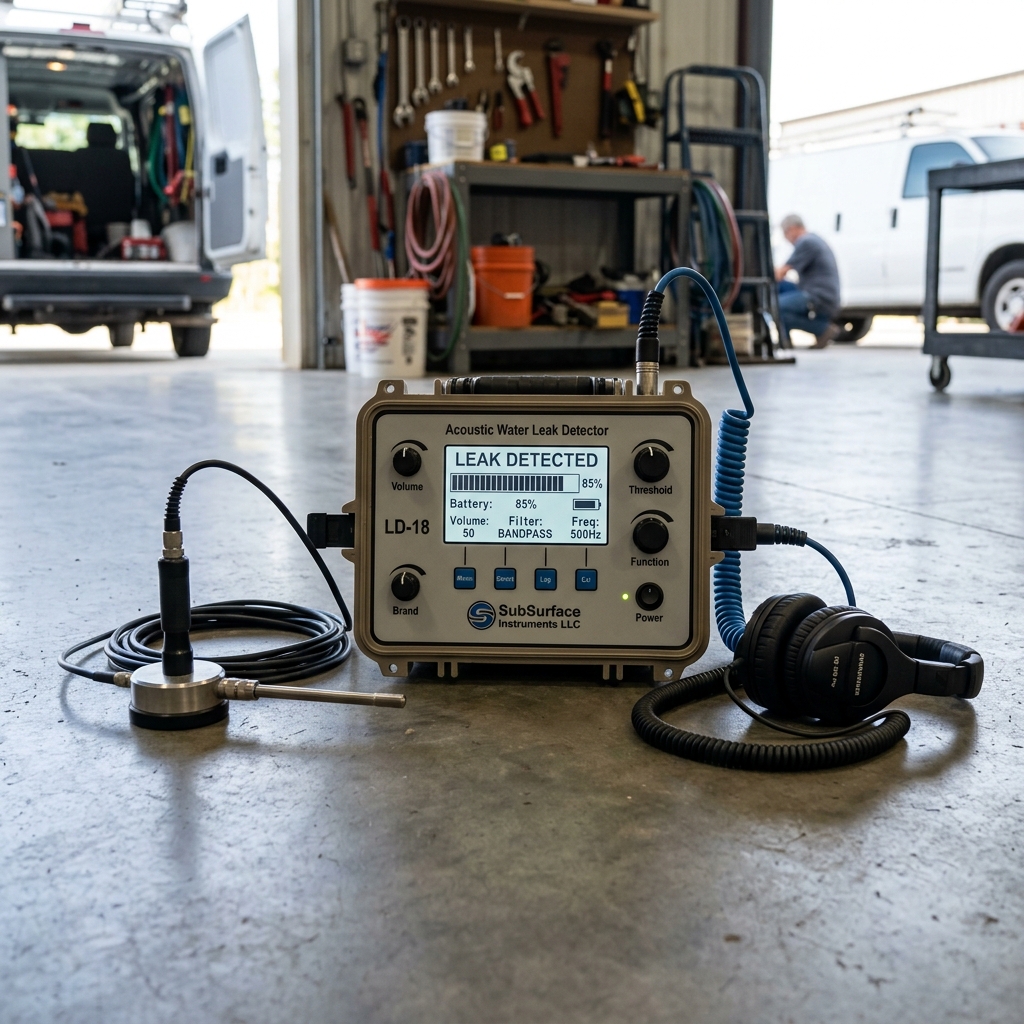
Most discussions of foundation leaks focus on clean, pressurized domestic water supply pipes. However, sanitary sewer and wastewater drain lines buried under your concrete foundation represent an equally severe threat to structural health. Unlike pressurized supply lines that constantly spin your water meter, a failing sewer line under slab Missouri City foundation only leaks when toilets flush, sinks drain, or showers run.
Because drain leaks lack continuous pressure, wastewater escapes silently into the substrate soil over months or years. The escaping effluent saturates Gulf Coast gumbo clay, causing excessive soil swelling (heaving) that pushes concrete foundations upward, or erodes large subterranean voids that trigger slab cracking and foundation subsidence.
Why Cast-Iron Drain Lines Deteriorate in Older Missouri City Homes
Homes built across Missouri City from the 1960s into the mid-1980s were plumbed with heavy cast-iron sanitary pipes. While cast iron was the historical standard, it possesses an average service life of 40 to 60 years. Over decades, wastewater laden with household chemicals and acidic sewer gases produces hydrogen sulfide, which reacts with moisture to form sulfuric acid inside the pipe crown.
This creates tuberculation, rust scale, and bottom channeling—where the bottom invert of the pipe literally rots away, allowing raw wastewater to discharge directly into the sub-slab gravel and soil. Common symptoms include persistent sewer odors, recurring drain clogs, gurgling toilets, insect infestations, and foundation displacement.
Dealing With Recurring Drain Backups or Sewer Odors?
Don't wait until a collapsed drain damages your foundation slab. Call (888) 205-7875 for a camera evaluation.
Call (888) 205-7875Diagnostic Testing: High-Definition Video Inspection & Hydrostatic Testing
Evaluating subterranean drain integrity requires non-destructive diagnostic tools:
1. Color High-Definition Sewer Camera Scans
Technicians insert a flexible, self-leveling fiber-optic video camera through plumbing cleanouts to inspect the entire drain line beneath the foundation. The camera records high-resolution footage revealing pipe cracking, severe rust scaling, offset joints, root intrusion, and channel rot.
2. Hydrostatic Pressure Testing
To determine if the sewer system is watertight, an inflatable test ball is inserted into the main perimeter cleanout and expanded. The drainage system is filled with water to the slab level and monitored. If the water column recedes, a sub-slab leak is mathematically proven, indicating wastewater is seeping beneath the foundation.
Repair and Replacement Approaches: Trenching, Tunneling, and CIPP Lining
Replacing failed cast iron under a foundation requires tailored engineering solutions depending on budget, access, and pipe layout:
1. Sub-Slab Foundation Tunneling (Preserving Interior Flooring)
To avoid tearing through finished interior tile, wood, or luxury vinyl flooring, specialized technicians dig exterior access pits and hand-excavate horizontal tunnels directly beneath the concrete slab. Plumbers access the deteriorated cast iron from underneath, remove the rotten sections, and hang modern Schedule 40 PVC drain lines with heavy-duty stainless steel riser clamps anchored directly into the bottom of the concrete slab. Once inspected, soil is pumped back into the tunnel with compacted backfill.
2. Interior Concrete Trenching
In smaller homes or when tunneling is geographically restricted, technicians cut precise channels through the interior slab to extract and replace the broken cast iron with new PVC, then pour new concrete and restore the slab surface.
3. Trenchless Cured-In-Place Pipe Lining (CIPP)
When the host cast iron pipe retains its structural round shape but suffers from cracks and micro-fissures, cast iron pipe lining Missouri City plumbers install provides a trenchless solution. After mechanical descaling, an epoxy-saturated felt tube is inverted through the pipe and cured in place, creating a seamless, chemical-resistant pipe-within-a-pipe that restores flow without excavation.
Explore comprehensive leak solutions on our slab leak repair homepage or learn about our full coverage on our Service Areas page.
Schedule a Cast Iron Drain Inspection in Missouri City
Call (888) 205-7875 now to speak with a sewer and foundation drainage specialist about restoring your under-slab drain system.
Call (888) 205-7875